
How Humidification and Dehumidification Systems Work
Humidity control requires both adding moisture (humidification) and removing moisture (dehumidification). Most buildings experience conditions where air can become too dry or too humid, depending on weather, occupancy, and system operation.
Effective environmental control depends on using both approaches together to maintain a stable indoor humidity level.
Key takeaway: Humidity control is a balance between adding moisture and removing it.
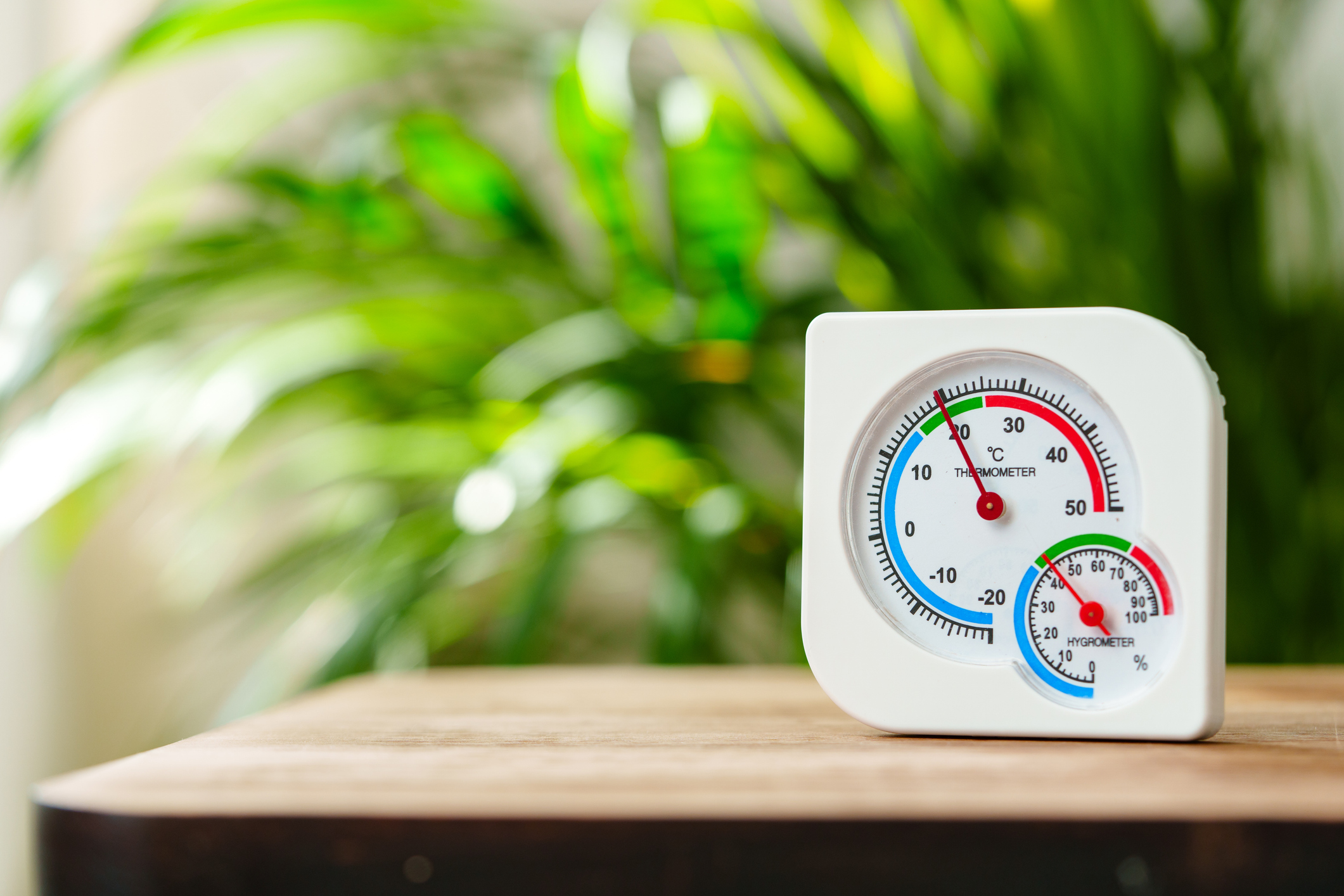
The Goal of Humidity Control
Both humidification and dehumidification systems work toward the same objective:
- Maintain a target humidity range
- Prevent conditions that cause discomfort or damage
- Support consistent building or process performance
The difference is how they respond to conditions:
- Humidification is used when air is too dry
- Dehumidification is used when the air is too moist
Key takeaway: Humidification and dehumidification are applied based on whether moisture needs to increase or decrease.
How Humidification Systems Work
Humidification systems increase moisture by adding water vapor to the air.
Basic process
- Water is supplied to the system
- Water is converted into vapor
- Moisture is introduced into the air
- Controls adjust output to maintain a target level
This process raises relative humidity and helps offset the drying effects of heating or low outdoor moisture.
Two main approaches
Steam systems
- Heat water to produce vapor
- Inject vapor directly into the air
- Provide fast and precise control
- Do not rely on airflow for evaporation
Evaporative systems
- Introduce liquid water into the airstream
- Allow water to evaporate using the heat in the air
- May also provide a cooling effect
- Typically uses less energy
Key takeaway: Humidification systems add moisture by converting water into vapor or enabling evaporation.
How Dehumidification Systems Work
Dehumidification systems remove moisture from the air to lower humidity levels.
Basic process
- Moist air is brought into contact with a removal mechanism
- Water vapor is condensed or absorbed
- Liquid water is collected and drained away
- Drier air is returned to the space
This process reduces relative humidity, helping prevent condensation, mold growth, and equipment issues.
Common methods
Cooling-based dehumidification
- Air is cooled below its dew point
- Moisture condenses into liquid water
- Condensate is drained away
- This is commonly done by air conditioning systems
Desiccant dehumidification
- Air passes over a material that absorbs moisture
- The desiccant is later regenerated by removing the absorbed water
- Effective in low-humidity or low-temperature environments
Key takeaway: Dehumidification systems remove moisture by condensing or absorbing water vapor from the air.
How Temperature and Moisture Work Together
Humidity control is directly tied to temperature.
- Warm air holds more moisture than cold air
- Cooling air increases relative humidity and can cause condensation
- Heating air lowers relative humidity
Because of this relationship:
- Humidification is often needed during heating
- Dehumidification is often needed during cooling
Both systems must be coordinated with temperature control to maintain stable conditions.
Key takeaway: Temperature changes directly influence humidity and must be considered in system operation.
Why Both Systems Are Needed
Most facilities require both humidification and dehumidification at different times. For example:
- Winter conditions often require humidification to offset dry outdoor air
- Summer conditions often require dehumidification to manage high moisture loads
In many systems, the same HVAC equipment participates in both processes depending on operating mode.
Key takeaway: Humidity control requires both adding and removing moisture depending on conditions.
The Role of Controls and Sensors
Humidity systems rely on controls to maintain stable conditions.
A typical system includes:
- Humidity sensors that measure current levels
- Controllers that compare conditions to setpoints
- Equipment that adds or removes moisture as needed
Advanced systems may also include:
- High‑limit controls to prevent condensation
- Seasonal setpoint adjustments
- Integrated HVAC coordination
Key takeaway: Controls ensure humidification and dehumidification work together effectively.
Common Misunderstanding
A common misconception is that humidification and dehumidification operate independently. In reality:
- Adding and removing moisture are part of the same system strategy
- Overusing one can create problems that require the other
- Poor coordination can lead to instability or excess energy use
Balanced operation is essential to avoid cycling between too dry and too humid.
Key takeaway: Humidification and dehumidification must be coordinated, not treated as separate systems.
When Systems Are Not Balanced
If humidification and dehumidification are not properly aligned, common issues include:
- Condensation on surfaces or in ductwork
- Wide swings in humidity levels
- Increased energy use from systems working against each other
- Reduced comfort and system reliability
These problems often indicate that system design or controls need adjustment.
Key takeaway: Imbalance between humidification and dehumidification leads to instability and inefficiency.
Related Topics
- How Do Humidification Systems Work?
- Types of Humidification Systems and How They Work
- Humidity Setpoints: How to Choose Targets Without Causing Condensation
- What Are the Most Common Humidity Control Mistakes?
- Designing and Maintaining Humidification Systems
Connect with a humidity control expert
Next Steps
Contact your local DriSteem representative to learn more about humidity control. Use the Find a Rep tool below to find your nearest representative.