
Humidity Setpoints: How to Choose Targets Without Causing Condensation
A humidity setpoint is the target relative humidity a building or system is designed to maintain. Choosing the right setpoint requires balancing comfort, indoor air quality, material protection, and condensation risk.
A setpoint that is too low can cause dryness and static problems. A setpoint that is too high can lead to condensation, mold growth, and building damage.
Key takeaway: Humidity setpoints must balance performance goals with condensation risk.
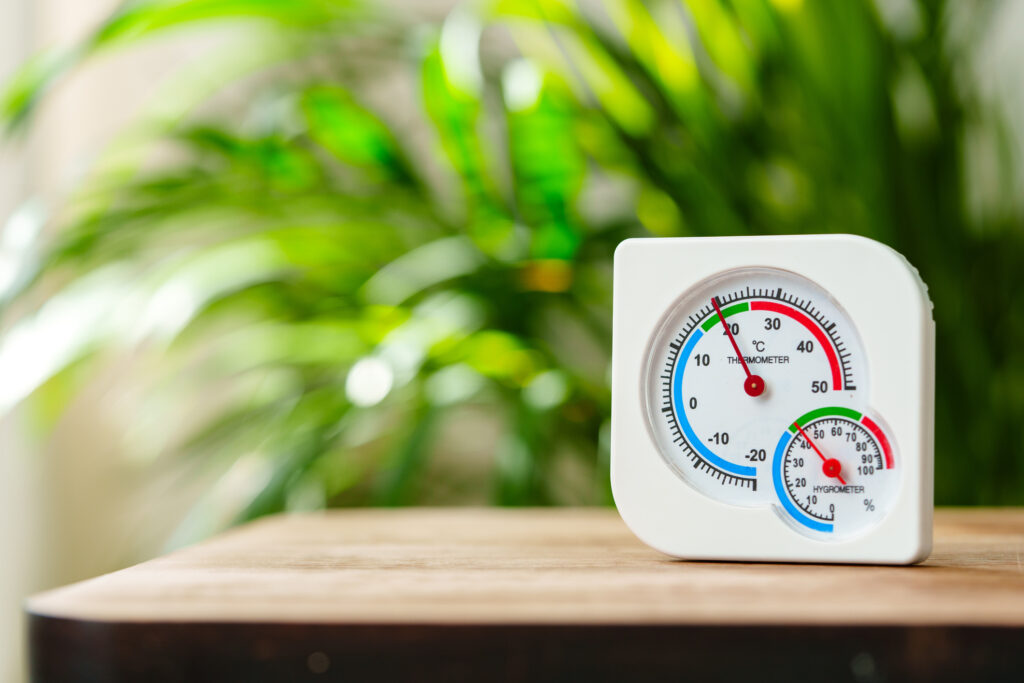
Why Humidity Setpoints Matter
Humidity setpoints determine how much moisture is added to or removed from the air. They directly affect:
- Occupant comfort
- Indoor air quality
- Static electricity risk
- Condensation potential
- Long‑term building durability
Because humidity interacts closely with temperature and surface conditions, setpoints must be chosen carefully.
Key takeaway: Humidity setpoints influence both comfort and building safety.
Why Higher Humidity Is Not Always Better
It is tempting to raise humidity to improve comfort or reduce dryness, especially in winter. However, as humidity increases:
- Dew point rises
- Condensation risk increases
- Cold surfaces become more vulnerable
Condensation can form inside walls, on windows, in ductwork, or on piping when surface temperatures fall below the air’s dew point.
Key takeaway: Raising humidity without limits increases the risk of condensation.
Understanding Condensation Risk
Condensation occurs when surface temperature falls below the dew point of the surrounding air. This risk depends on:
- Indoor humidity level
- Indoor air temperature
- Surface temperatures
- Outdoor conditions
Even moderate humidity levels can cause condensation if surfaces are cold enough.
Key takeaway: Condensation risk is driven by dew point and surface temperature, not comfort alone.
How Seasonal Conditions Affect Setpoints
Humidity setpoints often need to change with the seasons.
In winter:
- Outdoor air is cold and dry
- Indoor surfaces may be cold
- Lower humidity setpoints help reduce condensation risk
In summer:
- Outdoor air carries more moisture
- Cooling systems lower air temperature
- Dehumidification capacity becomes critical
Fixed, year‑round setpoints often fail to account for these seasonal differences.
Key takeaway: Seasonal conditions should influence humidity setpoint selection.
Why “Safe” Setpoints Vary by Building
There is no universal humidity setpoint that works for all buildings. Setpoint decisions should consider:
- Building construction and insulation
- Window performance
- Ventilation rates
- Type of use or occupancy
- Sensitivity of materials or processes
For some buildings, operating closer to the lower end of the recommended range improves safety. For others, tighter control is required to protect products or occupants.
Key takeaway: Humidity setpoints must reflect building design and use.
Stability Matters More Than Precision
Chasing a narrow humidity number can do more harm than good. Frequent adjustments or short‑term fluctuations can:
- Increase condensation risk
- Stress materials
- Reduce system reliability
A stable humidity level within an appropriate range is usually safer and more effective than trying to maintain a single exact value.
Key takeaway: Consistent humidity control is more important than exact percentages.
Practical Approach to Choosing Humidity Setpoints
Effective humidity setpoints are chosen by:
- Defining the primary goal (comfort, static reduction, preservation, process control)
- Assessing condensation risk
- Accounting for seasonal and surface temperature changes
- Designing systems that can maintain stability
This approach helps avoid moisture problems while still meeting performance needs.
Key takeaway: The best humidity setpoints are risk‑based, not arbitrary.
Related Topics
- What Is Dew Point and Why It Matters
- What Is a Good Indoor Humidity Range?
- Why Humidity Problems Show Up in Winter
- Why Humidity Problems Show Up in Summer
- Early Warning Signs of Humidity Issues
Connect with a humidity control expert
Next Steps
Contact your local DriSteem representative to learn more about humidity control. Use the Find a Rep tool below to find your nearest representative.