Humidification in the News
Maintaining the right indoor humidity levels isn’t just about comfort — it’s about creating healthier, more energy-efficient buildings. Keeping relative humidity between 40–60% RH can help reduce virus transmission, improve indoor air quality (IAQ), and support employee wellness and productivity. For facility managers, engineers, and building owners, proper humidity control also protects materials, enhances manufacturing quality, and helps optimize HVAC system efficiency for long-term energy savings.
Health and Wellness
The air you breathe indoors has a direct impact on how you feel and perform every day. Maintaining indoor relative humidity (RH) between 40–60% supports overall health, comfort, and productivity. Within this optimal range, people experience fewer allergens, less dryness, and a reduced risk of spreading airborne illnesses such as colds, flu, and COVID-19.
- At General Mills, the corporate health department recognized that controlling humidity in the company’s headquarters made a measurable difference — improving eye and skin comfort, reducing static electricity, and even cutting down on printer performance issues. Read more.


Productivity
Balanced indoor humidity doesn’t just make the air feel better — it helps people work better. Research shows that maintaining 40–60% relative humidity (RH) supports the body’s natural defenses against airborne illnesses such as COVID-19 and influenza, keeping employees healthier and more present at work.
The right humidity levels also enhance focus, comfort, and overall productivity, reducing fatigue and distractions caused by dry air. By improving the indoor environment, facilities can boost morale, support employee wellness programs, and create a workspace where people and processes both perform at their best.
Click below to explore how humidification improves air quality, wellness, and productivity across different industries.


Manufacturing Quality
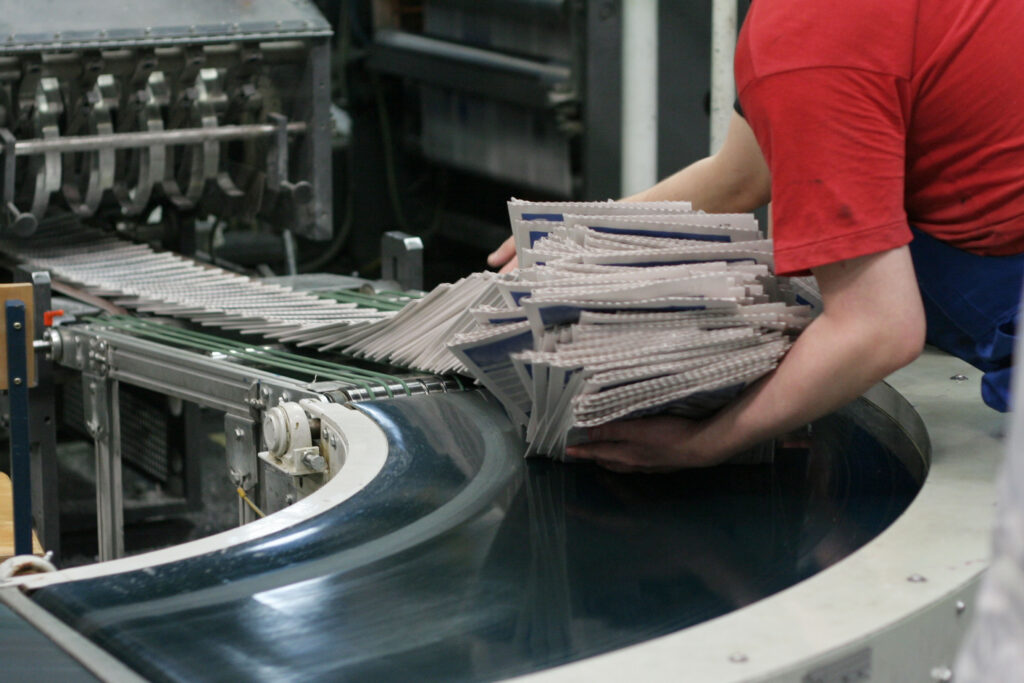
In manufacturing, even small changes in air conditions can make a big difference. Maintaining relative humidity between 40–60% RH helps protect product integrity, reduce static electricity, and minimize contamination risks that lead to costly downtime or waste.
Consistent humidity also supports efficient production, lowering scrap rates and improving overall process reliability. By controlling humidity, manufacturers can deliver higher-quality products, increase yield, and reduce operating costs — all while creating a more stable environment for people and equipment.
Click below to explore how humidification supports quality, efficiency, and reliability across different manufacturing industries.