
What Are the Most Common Humidity Control Mistakes?
Humidity control problems are often caused by how systems are applied, controlled, or operated—not by the humidifier itself. Many issues come from well‑intended adjustments that overlook how temperature, airflow, and moisture interact.
Understanding common mistakes helps prevent condensation, instability, and long‑term performance issues.
Key takeaway: Most humidity problems stem from improper system application, not equipment failure.
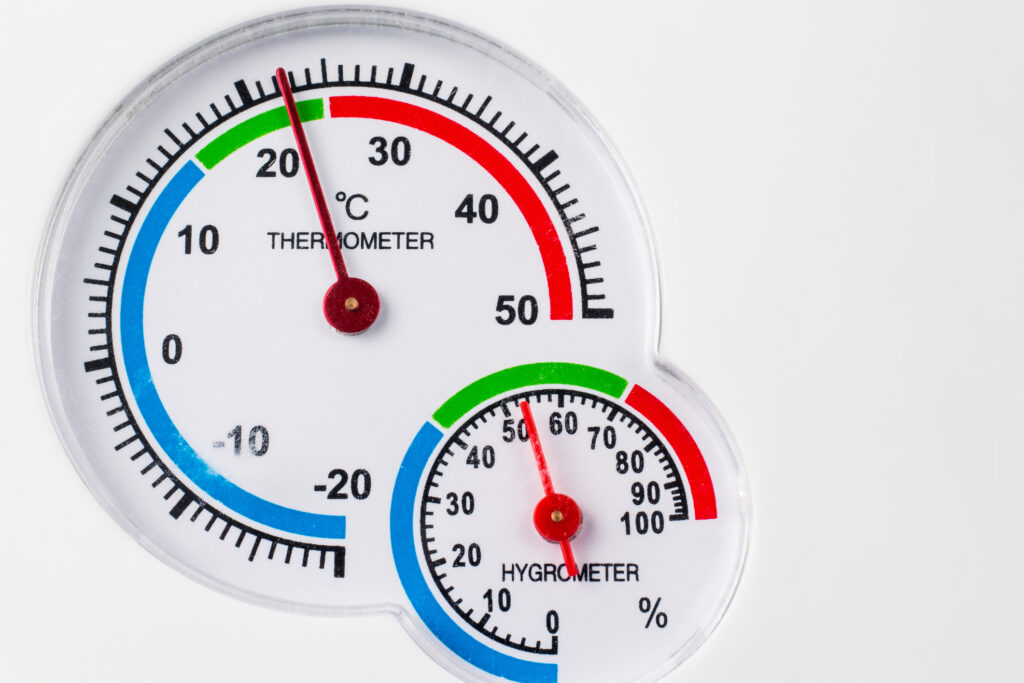
Treating Humidity as a Single Variable
One of the most common mistakes is treating humidity as something that can be adjusted independently. In reality, humidity is affected by:
- Temperature
- Airflow
- Outdoor air conditions
- Surface temperatures
Adjusting humidity without accounting for these factors can lead to unintended consequences, especially condensation.
Key takeaway: Humidity control must consider temperature, airflow, and moisture together.
“Turning It Up” to Fix Dry Air
A common response to low humidity is simply increasing output. This often leads to:
- Localized over‑humidification
- Condensation on windows, ducts, or walls
- Moisture buildup in hidden areas
Running a humidifier harder may temporarily raise readings, but it does not solve underlying issues.
Key takeaway: Increasing output without understanding the system increases risk.
Ignoring Condensation Limits
Humidity setpoints are sometimes chosen based only on comfort targets. This can lead to:
- Condensation on cold surfaces
- Moisture inside walls or ductwork
- Mold growth and material damage
Condensation occurs when surfaces fall below the dew point, even at moderate humidity levels.
Key takeaway: Setpoints must consider surface temperature and condensation risk.
Poor Sensor Placement or Accuracy
Humidity control depends on accurate measurement. Common mistakes include:
- Placing sensors near vents, windows, or heat sources
- Relying on a single sensor in a large or uneven space
- Allowing sensors to drift out of calibration
These issues can lead to misleading readings and inappropriate system responses.
Key takeaway: If the measurement is wrong, the control response will be wrong as well.
Focusing on Setpoint Instead of Stability
Trying to maintain a single exact humidity value can lead to constant adjustments. This can cause:
- System cycling and instability
- Wide humidity swings
- Increased wear on equipment
Stable humidity within a reasonable range is typically more effective than chasing precision.
Key takeaway: Consistency matters more than hitting an exact number.
Overlooking Airflow and Distribution
Humidity problems are often blamed on the humidifier when the issue is actually air distribution. Poor airflow can lead to:
- Uneven humidity levels
- High moisture in some areas and low in others
- Localized condensation or dryness
Without proper mixing and absorption, added moisture cannot be evenly distributed.
Key takeaway: Humidity must be evenly distributed to be effective.
Incorrect Equipment Sizing or System Design
Humidity control issues frequently stem from system design decisions. Common examples include:
- Equipment that is too large or too small for the space
- Systems that cool too quickly without removing moisture
- Insufficient ventilation or air sealing
Improper sizing and design reduce the system’s ability to manage moisture effectively.
Key takeaway: Humidity control performance starts with proper system design.
Ignoring Maintenance and Water Quality
Maintenance is often overlooked until performance declines. Issues include:
- Mineral buildup inside humidifiers
- Clogged drains or components
- Degraded system performance over time
Water quality and maintenance both affect how consistently a system can deliver moisture.
Key takeaway: Maintenance and water quality directly impact reliability and output.
Failing to Adjust for Seasonal Changes
Fixed, year‑round settings often create problems. For example:
- Winter conditions increase the condensation risk at higher humidity
- Summer conditions increase moisture load and dehumidification demand
Setpoints and operation must adjust to changing outdoor and indoor conditions.
Key takeaway: Humidity control must adapt to seasonal conditions.
Ignoring Early Warning Signs
Humidity issues rarely appear suddenly. Early indicators often include:
- Condensation on windows or surfaces
- Musty odors
- Static electricity
- Comfort complaints
Ignoring these signs allows problems to grow into more serious damage or system failures.
Key takeaway: Early signs of humidity imbalance should be addressed quickly.
Common Thread Across All Mistakes
Most humidity control mistakes follow a common pattern: treating humidity as an isolated setting rather than part of a system. Effective humidity control requires:
- Coordinated system design
- Accurate measurement
- Proper airflow and distribution
- Awareness of temperature and condensation limits
Key takeaway: Humidity control works best when treated as a system rather than a single adjustment.
Related Topics
- Humidity Control Fundamentals
- Humidity Control Is Not “Run the Humidifier Harder”
- Humidity Setpoints: How to Choose Targets Without Causing Condensation
- Early Warning Signs of Humidity Issues
- How Do Humidification Systems Work?
Connect with a humidity control expert
Next Steps
Contact your local DriSteem representative to learn more about humidity control. Use the Find a Rep tool below to find your nearest representative.