
Humidity Control Is Not “Run the Humidifier Harder”
Effective humidity control is not achieved by simply increasing humidifier output. Humidity control is a system‑level function that depends on design, controls, water quality, air distribution, and operating conditions.
When humidity problems occur, increasing output alone often masks the symptoms while creating new risks, including condensation, uneven control, and equipment damage.
Key takeaway: Humidity control is a system strategy, not a power setting.
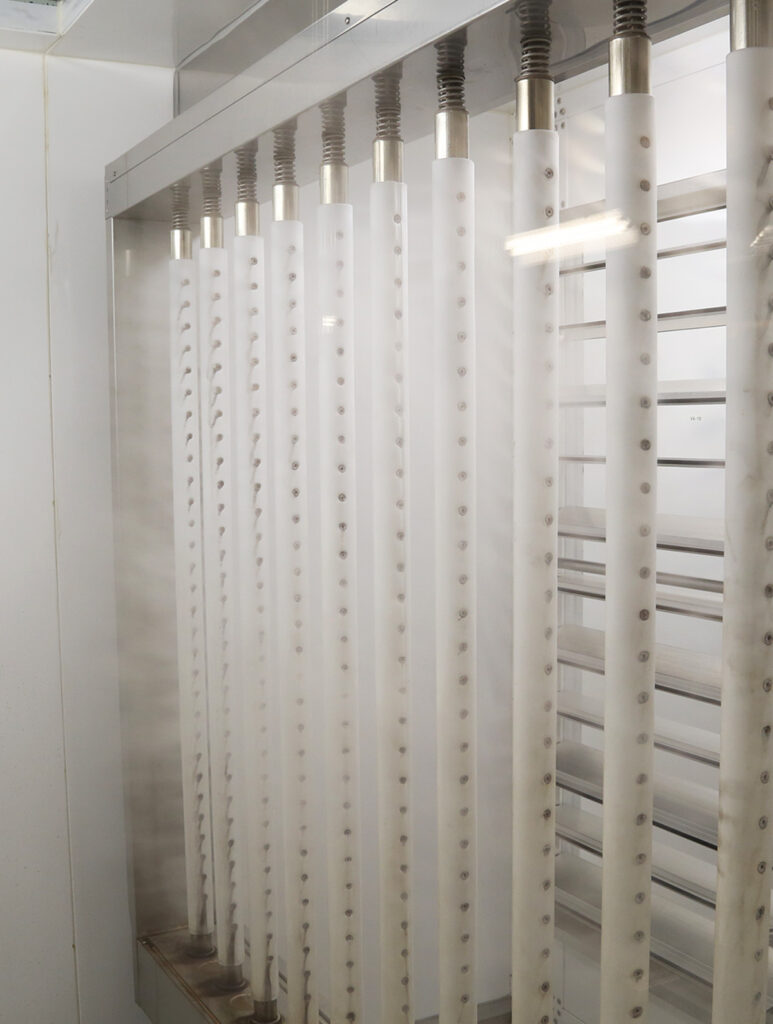
Why This Misunderstanding Is So Common
When indoor air feels dry, or humidity readings fall below target levels, the most visible response is to increase humidifier output. This approach seems logical because:
- The humidifier is the most obvious component
- Output is easy to adjust
- Results may appear quickly in one area
However, this rarely addresses the root cause of humidity problems and often shifts the issue to another part of the building.
Key takeaway: Increasing output treats symptoms, not causes.
What Actually Determines Indoor Humidity
Indoor humidity is influenced by multiple interacting factors, including:
- Outdoor air conditions
- Ventilation and infiltration rates
- Air temperature
- Air distribution and mixing
- Control strategy and sensor placement
- Water quality and system maintenance
If any of these factors are misaligned, increasing the humidifier output alone will not yield stable results.
Key takeaway: Humidity levels are shaped by airflow, temperature, and controls, not just moisture input.
How “Running Harder” Creates New Problems
Increasing humidifier output without proper control can lead to:
- Localized over‑humidification
- Condensation on cold surfaces
- Moisture accumulation in ductwork
- Corrosion and microbial growth
- Increased water and energy use
These problems may not appear immediately but often surface later as comfort complaints, damage, or maintenance issues.
Key takeaway: More moisture can increase risk if it is not properly distributed and controlled.
The Role of Controls and Sensors
Humidity control depends heavily on:
- Where humidity is measured
- How quickly systems respond
- How limits are enforced to prevent condensation
Poor sensor placement, slow response times, or missing high‑limit controls can make humidity control unstable, even if the humidifier itself is working properly.
Key takeaway: Good humidification without good controls leads to poor results.
Why Temperature and Condensation Limits Matter
Humidity cannot be controlled independently of temperature. As humidity increases:
- Dew point rises
- Condensation risk increases on cooler surfaces
Systems must account for surface temperatures, seasonal conditions, and dew point limits. Simply adding moisture without considering these factors increases the likelihood of hidden moisture problems.
Key takeaway: Safe humidity control requires respecting condensation limits.
What Effective Humidity Control Looks Like
Successful humidity control focuses on:
- Matching humidification capacity to actual loads
- Coordinating humidification with HVAC operation
- Using appropriate control strategies and limits
- Ensuring proper air distribution and absorption
- Managing water quality and maintenance
When these elements are aligned, humidity can be maintained safely and consistently.
Key takeaway: Effective humidity control is proactive, coordinated, and design‑driven.
When to Re‑Evaluate the System Instead of Increasing Output
Repeated adjustments to the humidifier output are often a sign that the system needs evaluation.
This may indicate:
- Undersized or misapplied equipment
- Inadequate control strategy
- Changes in building use or ventilation
- Seasonal operating mismatches
Addressing these issues leads to long‑term stability rather than short‑term fixes.
Key takeaway: Frequent output changes often signal a system‑level issue.
Related Topics
- Humidity Control Fundamentals
- How Do Humidification Systems Work?
- Humidity Setpoints: How to Choose Targets Without Causing Condensation
- Early Warning Signs of Humidity Issues
- What Problems Does Low Humidity Cause?
Connect with a humidity control expert
Next Steps
Contact your local DriSteem representative to learn more about humidity control. Use the Find a Rep tool below to find your nearest representative.