
What Problems Does Low Humidity Cause?
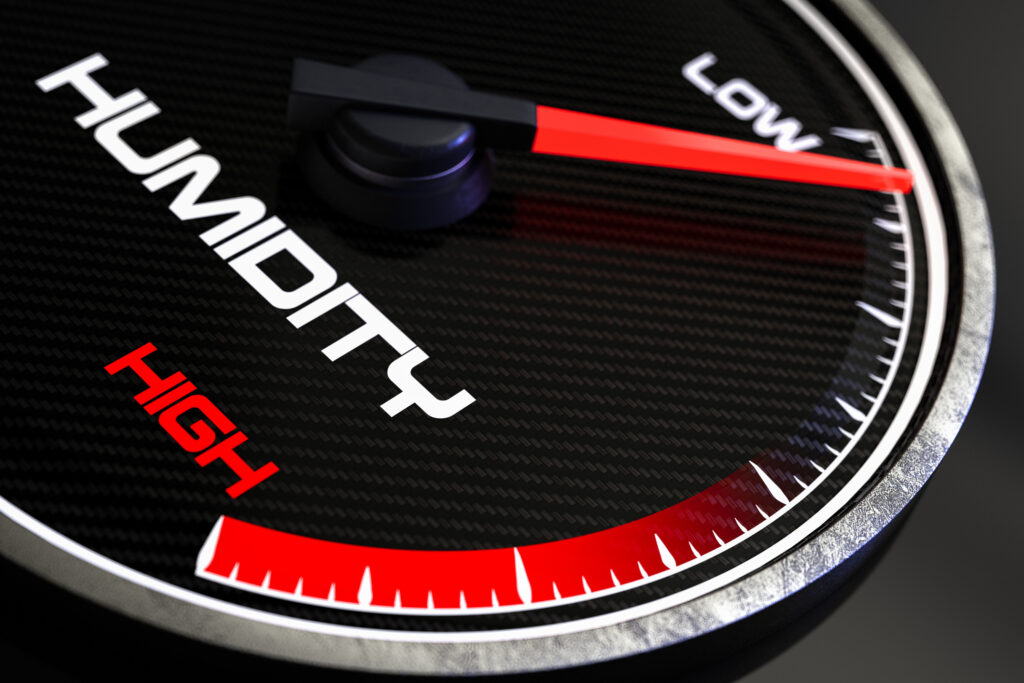
Low humidity occurs when there is not enough moisture in the air.
While it is most common in colder climates and during heating season, low humidity can also affect year‑round operations in dry or controlled environments.
When relative humidity drops too low, problems often appear gradually and worsen over time, affecting people, materials, equipment, and building performance.
Key takeaway: Low humidity is often overlooked, but its effects are widespread and cumulative.
Static Electricity and Electrostatic Discharge
One of the most common effects of low humidity is increased static electricity. Dry air does not dissipate electrical charges well. As a result:
- Static buildup increases on people and materials
- Electrostatic discharge (ESD) becomes more likely
- Sensitive electronics and components are at greater risk
This is especially problematic in electronics manufacturing, data centers, laboratories, and other precision environments.
Key takeaway: Low humidity increases static electricity and raises the risk of ESD‑related damage.
Discomfort and Occupant Complaints
Low humidity often leads to comfort issues that building occupants notice quickly, including:
- Dry skin, eyes, and throat
- Irritated sinuses or respiratory discomfort
- Increased perception of cold air
Spaces with low humidity may feel colder than they actually are, leading occupants to raise thermostats, which can increase energy use.
Key takeaway: Low humidity affects how people feel and how comfortable a space seems, even at normal temperatures.
Impact on Indoor Air Quality
Low humidity can contribute to poorer indoor air quality by:
- Drying out nasal passages and respiratory systems
- Increasing airborne particle persistence
- Creating conditions that irritate occupants
While humidity alone does not eliminate indoor air quality concerns, maintaining adequate humidity helps support a healthier indoor environment.
Key takeaway: Very dry air can worsen indoor air quality and occupant well‑being.
Damage to Materials and Furnishings
Many building materials and finishes absorb and release moisture from the air. When humidity is too low:
- Wood can shrink, crack, or warp
- Flooring gaps may appear
- Paper, textiles, and artwork can dry out and degrade
- Historic materials and artifacts are especially vulnerable
Damage caused by low humidity is often permanent and costly to repair.
Key takeaway: Low humidity can cause long‑term damage to hygroscopic materials.
Effects on Equipment and Processes
In industrial and commercial environments, low humidity can disrupt operations by:
- Increasing static‑related process instability
- Drying or embrittling materials
- Affecting product weight, dimensions, or performance
These issues often appear as quality problems, downtime, or unexplained variability.
Key takeaway: Low humidity can undermine process control and equipment reliability.
Why Low Humidity Problems Are Often Missed
Low humidity does not usually cause immediate failure. Instead, its effects build slowly. Because symptoms may seem unrelated, the root cause is often overlooked, allowing damage or discomfort to continue unchecked.
This is why humidity control should be proactive, not reactive.
Key takeaway: Low humidity damage accumulates quietly and is frequently misdiagnosed.
Related Topics
- Humidity Control Fundamentals
- What Is Relative Humidity (RH)?
- What Problems Does High Humidity Cause?
- How Temperature Changes Relative Humidity
- How Humidification Systems Work
Connect with a humidity control expert
Next Steps
Contact your local DriSteem representative to learn more about humidity control. Use the Find a Rep tool below to find your nearest representative.