
Scaling vs Corrosion in Humidifiers
Scaling and corrosion are two of the most common water-related problems in humidification systems, but they are fundamentally different.
Both affect performance and reliability, yet they have different causes, behaviors, and solutions.
Understanding the difference is essential for diagnosing problems and selecting the right mitigation approach.
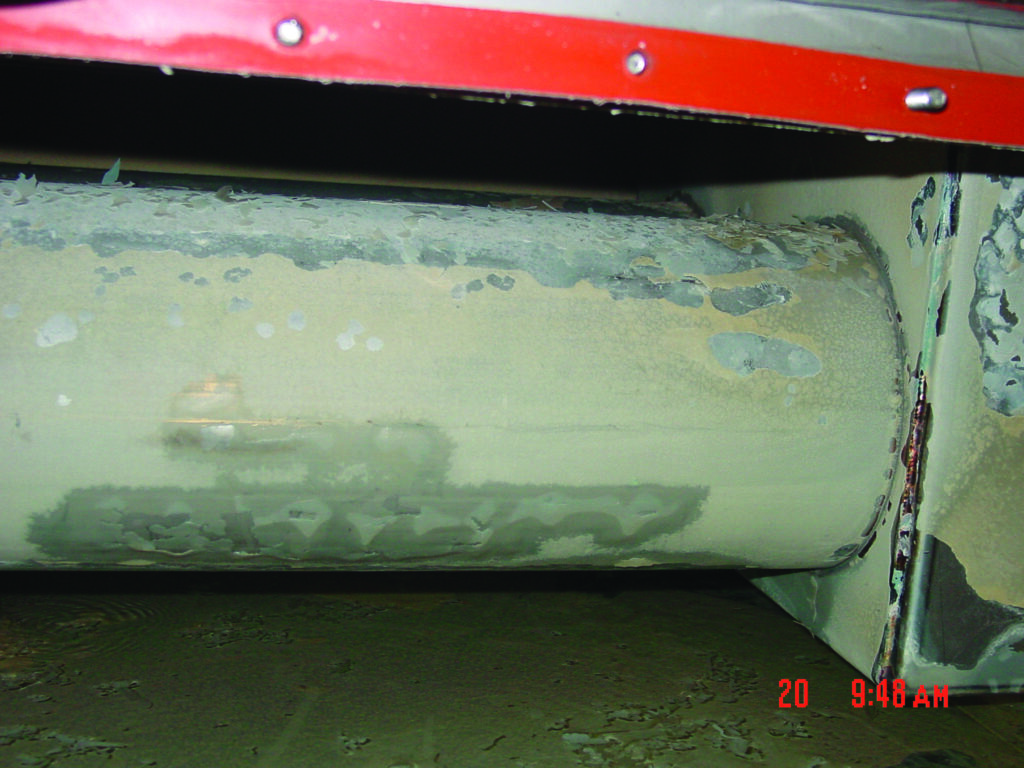
Key takeaway: Scaling builds material up. Corrosion breaks material down.
What Is Scaling?
Scaling is the accumulation of mineral deposits on internal surfaces.
When water is heated or evaporated:
- Minerals such as calcium and magnesium remain behind
- These minerals form hard deposits on surfaces
Over time, this creates a layer of buildup on:
- Heating elements
- Tanks and cylinders
- Valves and piping
Scale formation is directly tied to water hardness and evaporation.
Key takeaway: Scaling is caused by minerals being left behind as water turns into vapor.
What Is Corrosion?
Corrosion is the gradual breakdown of metal components caused by chemical reactions.
It occurs when:
- Metal reacts with water, oxygen, or chemicals
- Protective surfaces degrade
- Material begins to weaken or dissolve
Corrosion can affect:
- Tanks and heat exchangers
- Piping and fittings
- Internal components and connections
Unlike scaling, corrosion removes material rather than building it up.
Key takeaway: Corrosion is a chemical process that damages and weakens materials.
Key Differences Between Scaling and Corrosion
Scaling
- Builds up on surfaces
- Caused by mineral concentration
- Reduces heat transfer and flow
- Creates insulation and blockages
Corrosion
- Breaks down materials
- Caused by chemical imbalance or reactions
- Weakens the structure and causes leaks
- Leads to material loss and failure
Visually:
- Scale appears as white or chalky deposits
- Corrosion appears as rust, discoloration, or surface damage
Key takeaway: Scaling restricts performance. Corrosion compromises structural integrity.
Root Causes of Each Issue
Causes of Scaling
- Hard water with high mineral content
- Repeated evaporation and concentration
- High-temperature operation
As water evaporates, minerals precipitate and form deposits.
Causes of Corrosion
- Imbalanced water chemistry (low or high pH)
- Dissolved oxygen or aggressive chemicals
- Interaction between different metals
- Concentration of impurities over time
Key takeaway: Scaling is driven by minerals. Corrosion is driven by chemistry.
Impact on Humidifier Performance
Scaling impact
- Reduces heat transfer efficiency
- Increases energy use
- Restricts water flow
- Causes clogged components
Even thin scale layers act as insulation, forcing systems to work harder.
Corrosion impact
- Weakens metal components
- Leads to leaks or failure
- Contaminates water systems
- Reduces system lifespan
Corrosion damage often progresses quietly until failure occurs.
Key takeaway: Scaling reduces efficiency. Corrosion reduces reliability.
How to Identify Scaling
Scaling is typically easier to recognize.
Common indicators include:
- White or chalky deposits on components
- Reduced system output
- Increased energy use
- Blocked valves or distribution systems
- Visible buildup on heating surfaces
In advanced cases:
- Components may appear coated or encased in hard material
Key takeaway: Scaling is visible as buildup and often leads to gradual performance loss.
How to Identify Corrosion
Corrosion can be less obvious early on, but it becomes more severe over time.
Common indicators include:
- Rust or discoloration on metal surfaces
- Pitting, flaking, or surface damage
- Leaks or weakened connections
- Discolored water or residue
- Structural degradation of components
In some cases corrosion may appear as rough or uneven surface damage rather than deposits
Key takeaway: Corrosion shows up as material damage, not buildup.
Why the Difference Matters
Scaling and corrosion require different solutions.
- Scaling is managed by reducing or removing minerals
- Corrosion is managed by controlling water chemistry and materials
Treating one as the other can lead to:
- Ineffective maintenance
- Continued system degradation
- Increased operating costs
Key takeaway: Correct diagnosis is essential to applying the right solution.
Common Misunderstanding
A common assumption is that all buildup or damage inside a humidifier is “scale.” In reality:
- Some issues are chemical (corrosion), not mineral
- Both can exist at the same time
- One can contribute to the other in certain conditions
For example, scale deposits can trap water, creating conditions that accelerate corrosion.
Key takeaway: Scaling and corrosion often interact, but must be addressed separately.
Related Topics
- Water Quality and Humidifier Reliability
- Water Treatment Methods for Humidification
- Maintenance Impacts of Poor Water Quality
- Designing and Maintaining Humidification Systems
Connect with a humidity control expert
Next Steps
Contact your local DriSteem representative to learn more about humidity control. Use the Find a Rep tool below to find your nearest representative.